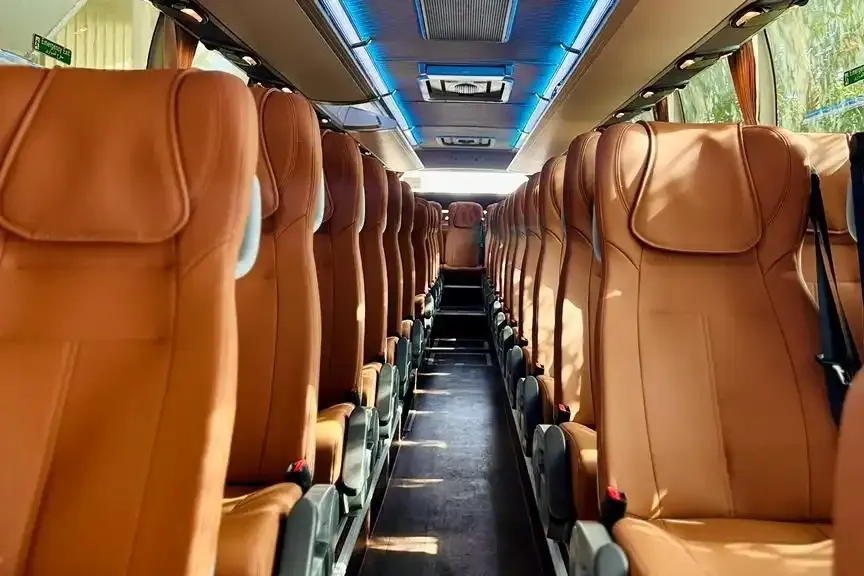
Ideal Group Sizes and Seating Planning for 50 Seater Buses
Many people assume that a 50 seater bus should always carry 50 passengers. In real transportation planning, the ideal number is often lower. Seating comfort, luggage space, travel distance, and trip duration all affect how many passengers should actually travel in one bus.
This guide explains how professionals plan group sizes and seating for smooth, comfortable travel using large capacity bus rental. For a complete overview of 50 seater travel use cases, refer to the 50 Seater Bus Transportation Guide in UAE.
Why Seating Planning Matters More Than Capacity
Capacity only tells you the maximum limit. It does not define comfort.
A bus filled to full capacity:
• reduces legroom flexibility
• limits personal space
• increases cabin noise
• restricts luggage comfort
This becomes more noticeable during long journeys and full-day trips. Smart planners focus on comfort limits, not only seat limits.
Ideal Passenger Range for Different Travel Types
Different trip types require different seating strategies.
Short City Transfers
Ideal range: 45–50 passengers
Used when:
• travel time is short
• luggage is minimal
• passengers stay seated for less than 90 minutes
This setup maximizes capacity while keeping travel manageable.
Half-Day Tours and Event Transfers
Ideal range: 42–46 passengers
Used when:
• multiple stops are involved
• luggage is moderate
• waiting time inside bus increases
This balance allows comfort without wasting seating capacity.
Full-Day and Long Distance Travel
Ideal range: 38–44 passengers
Used when:
• highway driving is involved
• long sitting duration is expected
• passenger comfort becomes critical
Reducing passenger load improves:
• legroom comfort
• air circulation
• movement inside cabin
How Luggage Changes Seating Strategy
Luggage significantly reduces usable capacity.
When large bags are involved:
• overhead storage fills quickly
• under-floor compartments reach limits
• aisle space must remain clear
In such cases, planners often reduce seating by 5–10 passengers to maintain safety and comfort.
Why Empty Seats Improve Travel Experience
Leaving a few seats empty improves:
• passenger comfort
• aisle movement
• air flow
• emergency access
This is especially important for:
• senior passengers
• long-distance travelers
• tour groups
• students
Passenger Distribution Inside the Bus
Professional drivers distribute seating strategically.
They consider:
• weight balance
• aisle clearance
• front-to-back distribution
• luggage loading location
This helps maintain:
• ride stability
• braking control
• smooth cornering
Seating Comfort for Long Route Planning
For highway and inter-emirate routes, seating comfort becomes the main factor.
Lower seating density:
• reduces fatigue
• improves posture
• allows slight seat recline
• improves ventilation
This directly improves passenger satisfaction.
Common Seating Planning Mistakes
Many planners make avoidable mistakes such as:
• filling all 50 seats regardless of trip length
• ignoring luggage size
• neglecting passenger comfort
• prioritizing cost over safety
These mistakes often lead to complaints, delays, and discomfort.
Smart Seating Planning for 50 Seater Buses
The best group size for a 50 seater bus depends on:
• travel duration
• luggage volume
• route distance
• passenger comfort expectations
General planning ranges:
• 45–50 → short city trips
• 42–46 → half-day transfers
• 38–44 → full-day and long distance travel
This approach ensures smooth group movement using large capacity bus rental. For fleet specifications and availability, visit Luxury 50–53 Seater Bus Rental in Dubai and UAE.
© 2025 . Marwan Khan Passenger Transport